The K-Beauty Success Formula Built on Korean OEM/ODM — How Indie Brands Go Global
Behind K-beauty indie success is the ecosystem of Cosmax and Kolmar Korea, the world's two largest ODMs. Capital-light startups ‘rent’ proven formulas to launch, then ride a single hero SKU and digital validation all the way to global retail. Here are the recurring success patterns — and their limits.
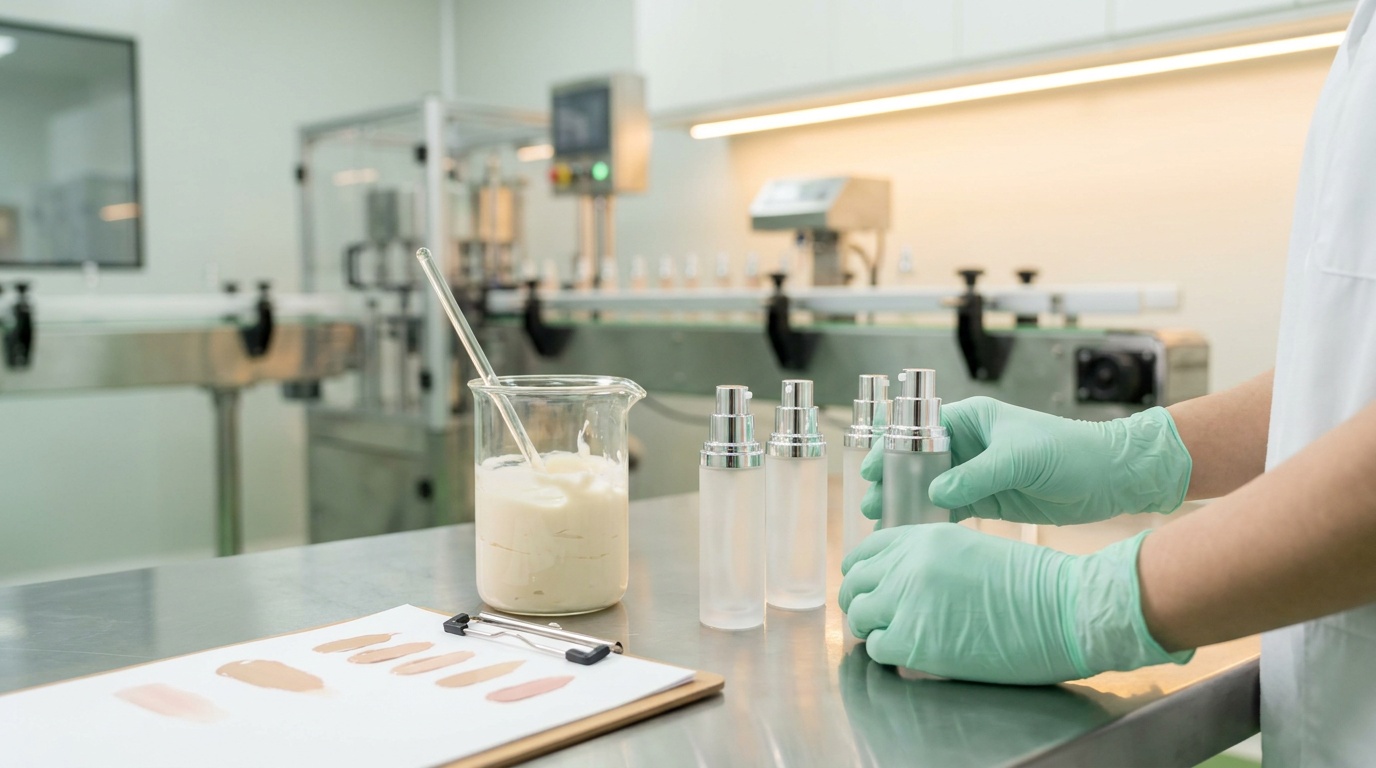
Behind almost every K-beauty indie success is Korea's ODM ecosystem. Cosmax and Kolmar Korea — the world's two largest cosmetics ODMs — each make products for over 600 brands, letting capital-light startups launch fast by ‘renting’ ready-made formulas. COSRX was acquired by AmorePacific, and Anua landed on US Ulta shelves with an operating margin above 30%. Here are the patterns that recur across these wins.
1. The invisible giants — Cosmax and Kolmar Korea
One outlet likened Cosmax and Kolmar Korea to ‘AWS for skincare’: like renting the cloud, a brand rents research and production capacity. They are the world's largest cosmetics ODMs — Cosmax holds roughly 14-18% of Korea's ODM market and Kolmar about 12-15%, each manufacturing for 600+ brands and clients (add Cosmecca and Korea's ODM scene is a few giants plus a deep specialist ecosystem). Cosmax is reported to supply popular indie brands such as Clio and Peripera, while category specialists (e.g., sheet-mask makers) support COSRX and Anua. As a result, indie brands can start on proven formula, production, and compliance capacity without building a factory.
2. Patterns shared by successful brands
| Success pattern | Representative case | Implication |
|---|---|---|
| Single hero SKU + clear ingredient story | COSRX Snail 96 Mucin Essence → acquired by AmorePacific | Focus on a champion product over line extension |
| Fast use of ODM formula libraries | Cosmax, Kolmar — 600+ brands each | Launch by ‘renting’ R&D even with little capital |
| Validate demand via digital / Amazon | Anua, Tirtir, Beauty of Joseon top on Amazon | Prove demand online before offline |
| Expand to global retail after validation | Anua → US Ulta, 30%+ operating margin | Land offline once demand is confirmed |
The common thread is clear: ‘rent’ the manufacturing from an ODM, build differentiation in the ingredient story, content, and brand, validate quickly in digital, then move to global retail.
3. The light and shadow of ‘AWS for skincare’
If the same ODM makes 600 brands, similar formulas can spread through the market fast. The lower the barrier, the more differentiation and exclusivity design matter. Successful brands rarely use the base formula as-is; they bend hero-ingredient levels, feel, fragrance, packaging, and content so the product is ‘different even though it came from the same factory.’ As US demand grew, Kolmar opened a second US plant in Pennsylvania (180M → 300M units a year) and Cosmax expanded New Jersey capacity (280M+ units), hedging tariff and logistics risk.
4. Lessons for aspiring brands and buyers
First, instead of trying to own a factory, design ‘which ODM, and with what exclusivity scope’ to start with. Second, prove demand and repeat purchase with one hero SKU before widening the lineup. Third, differentiation comes less from the formula itself than from the ingredient story, content, and brand consistency. Fourth, expanding to retail after online validation reduces inventory and marketing risk. Korean OEM/ODM is not just ‘a place that makes products’ — it is the runway indie brands use to go global. What matters is what you own while on that runway.
Sources
FAQ
Do K-beauty indie brands usually own their own factory?
Most do not. They ‘rent’ the proven formula and production capacity of ODMs like Cosmax and Kolmar Korea, which lets capital-light brands launch quickly.
What are Cosmax and Kolmar Korea?
The world's two largest cosmetics ODMs, each making products for 600+ brands and clients. One outlet likens them to ‘AWS for skincare.’
If brands use the same ODM, don't products become similar?
That risk exists. Successful brands don't use the base formula as-is; they differentiate via hero-ingredient levels, feel, fragrance, packaging, and content, and design the exclusivity scope carefully.
What are the common patterns of indie-brand success?
Focus on a single hero SKU, differentiate with a clear ingredient story, validate demand first on Amazon/digital, then expand to global retail like Ulta and Sephora.
What should an aspiring brand prepare first?
Rather than owning a factory, design which ODM and what exclusivity scope to start with, and prove demand and repeat purchase with one hero product before extending the line.
Want to manufacture this trend?
Verified Korean factory matching, sampling and production — get an instant quote.
Get a free quote on WishLabRelated insights
Vegan, Clean & Cruelty-Free — Three Confused Labels and a K-Beauty Export Strategy
Vegan (no animal-derived ingredients), cruelty-free (no animal testing), and clean (free-from, with no legal definition) are different promises. The vegan cosmetics market is set to reach $11.1 billion by 2031 at ~14% a year, but missing certifications and per-market rules invites a greenwashing backlash. Here is how to separate the three and use them as export strategy.
Read more →
Surviving the Tariff Era: A K-Beauty Export Strategy Beyond America (2026)
Korea's cosmetics exports hit a record in 2026 — yet a 15% US tariff, the end of de minimis, and MoCRA now squeeze indie brands head-on. Here are four strategies, designed in from the factory floor: diversify beyond the US (Gulf, Latin America, India), compete on efficacy not price, build a brand rather than a product, and turn regulation into a moat.
Read more →