Surviving the Tariff Era: A K-Beauty Export Strategy Beyond America (2026)
Korea's cosmetics exports hit a record in 2026 — yet a 15% US tariff, the end of de minimis, and MoCRA now squeeze indie brands head-on. Here are four strategies, designed in from the factory floor: diversify beyond the US (Gulf, Latin America, India), compete on efficacy not price, build a brand rather than a product, and turn regulation into a moat.
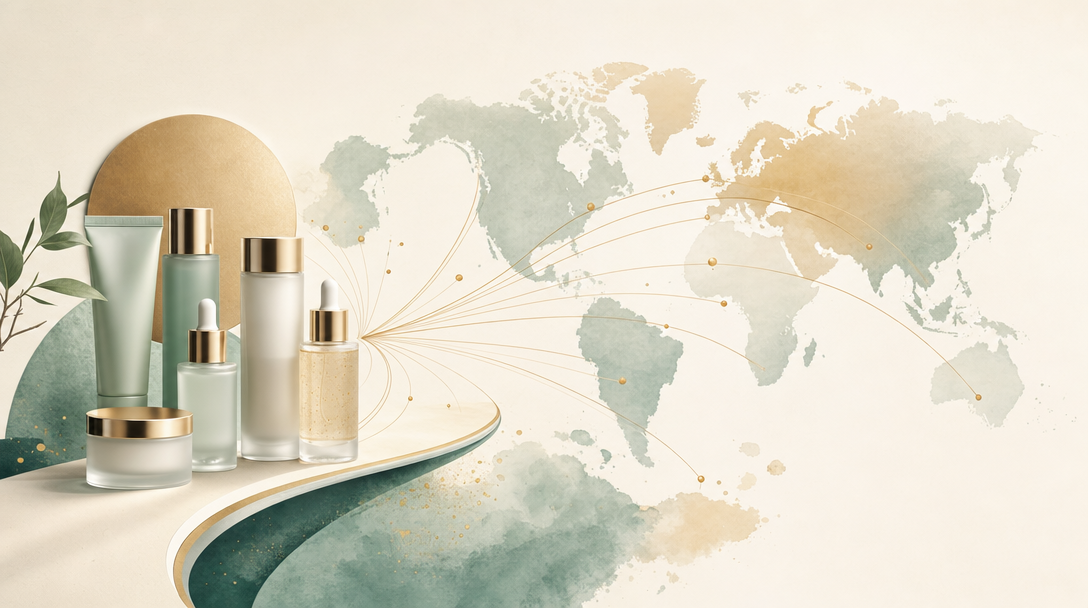
K-beauty enters 2026 wearing two faces. On one side, exports are breaking records; on the other, its biggest market just raised the drawbridge. Korea's cosmetics exports hit USD 11.4 billion in 2025 — overtaking the United States (USD 10.8B) for the first time and trailing only France — and grew roughly 20% year-on-year to USD 3.1B in Q1 2026. Yet in the same window, Washington imposed a 15% tariff on Korean cosmetics, ended the USD 800 de minimis exemption, and switched MoCRA on. The paradox is plain: the bigger exports grow, the more dangerous it becomes to lean on a single market.
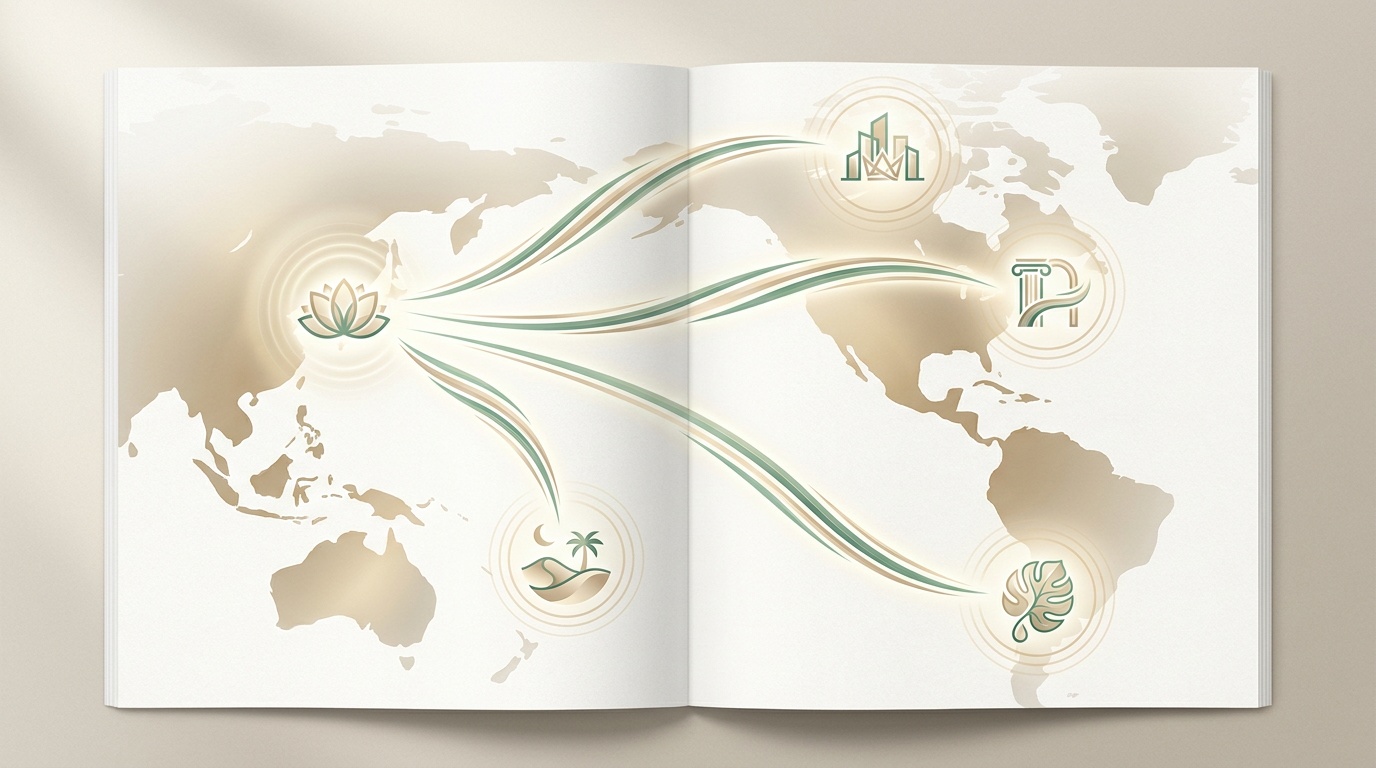
This piece lays out four strategies to cut that risk and protect margin — and why each one starts on the factory floor, not at launch.
| Metric | Figure |
|---|---|
| 2025 Korea cosmetics exports | USD 11.4B (world #2, passed the US) |
| World #1 (France) | USD 24.3B |
| Q1 2026 exports | USD 3.1B (~20% YoY) |
| Export destinations | 205 countries |
| New US tariff | 15% + end of de minimis |
What changed — a double shock of tariffs and regulation
Through 2025, the US was the most forgiving market an indie brand could ask for. The de minimis rule let sub-USD-800 shipments enter duty-free, and the regulatory bar was low. In 2026 both disappeared at once.
A 15% tariff plus the loss of de minimis hits price-led, mid-to-low-tier brands hardest. Layer on MoCRA — facility registration, product listing, a named Responsible Person, safety substantiation, GMP — and the cost of simply showing up has risen.
Analysts agree the indie and small brands are most exposed: they lack the scale to absorb costs and the leverage to negotiate them down. Awkwardly, those same brands have driven the recent surge in K-beauty's US sales, so the shock aims straight at the growth engine. But the takeaway isn't "abandon America." It's "engineer your dependence on it down."
Strategy 1 — Don't bet everything on one market
The higher your US share, the more exposed you are to tariff and policy swings. K-beauty already reaches 205 countries, and three regions are emerging as the next engines.
The Gulf (GCC). Affluent consumers in the UAE and Saudi Arabia have deep demand for premium skincare. Dubai is the natural hub, and the Middle East & Africa beauty market grew more than 33% in 2024 — but halal certification, Arabic labeling, and ECAS registration are the first gates.
Latin America. In the urban centers of Brazil, Mexico, and Colombia, rising disposable income and digital adoption are lifting demand for advanced skincare. In Brazil, the largest market, demanding ANVISA registration turns regulatory readiness into both a barrier and an edge.
India. Demand is forming fast enough that Nykaa and Flipkart run dedicated K-beauty sections. Price sensitivity is high, so sizing and assortment tuned to local price points (ODM) is where deals are won.
Strategy 2 — Compete on efficacy, not price
The worse the price war gets, the more the answer is a premium position that can absorb the tariff. In 2026 K-beauty's axis is shifting from "hydration" to "repair and recovery": PDRN (including plant-derived), EGF, peptides, and retinal paired with barrier actives like ceramides and Centella, framed around post-procedure recovery.
Categories are widening too — SPF in hybrid tinted and cushion formats, inner beauty tied to sleep and hormonal health, and post-procedure care for skin recovering from lasers and peels. Consumers favor multi-benefit formats — cream-serums, toner-serums — over single-trick novelty. Putting a trend ingredient in a formula and making its claim provable are two different jobs, and the gap is decided in OEM clinical and stability design.
Strategy 3 — Sell a brand, not a product
Brands that last are carried by a coherent story and repeat purchase, not one or two viral SKUs. The center of gravity has shifted from Gen-Z virality to the skin-health and slow-aging demand of consumers in their 30s, 40s and beyond. Channels work on two fronts at once — the Olive Young × Sephora partnership and Olive Young's first US store. The more tariffs rattle price, the more brand loyalty becomes the sturdiest defense.
Strategy 4 — Turn regulation from cost into moat

MoCRA, CPNP, ANVISA, and halal are costs — but they are also a moat that filters out smaller competitors. The minimum MoCRA checklist:
- Facility registration — register manufacturing/processing facilities with the FDA; renew every two years (first renewal around July 1, 2026).
- Product listing (Form FDA 5067) — the Responsible Person lists each product's FEI and full ingredients in SPL format, updated annually.
- Responsible Person — the entity named on the label carries the burden; for overseas brands, a US-based RP/agent is effectively mandatory.
- GMP, safety substantiation, labeling — filed via the Cosmetics Direct portal.
A small-business exemption exists, but not for products that contact the eye's mucous membrane, are injected, are taken internally, or alter appearance for more than 24 hours. Clear the bar first, and the bar itself becomes your trust signal and shelf advantage.
In the end, export competitiveness is decided in manufacturing
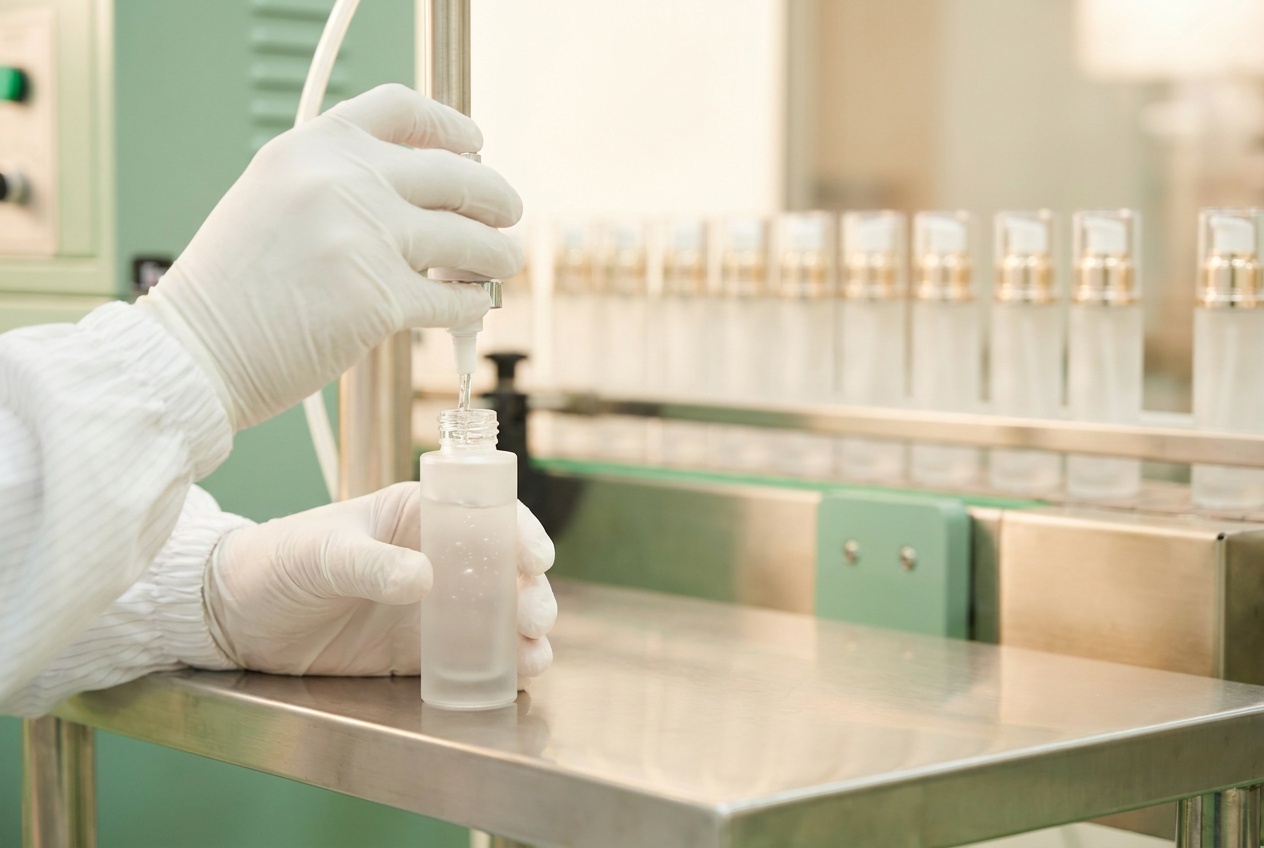
The four strategies share one thing: they have to be designed in at the planning and manufacturing stage. Diversification starts with formulas built for each market's rules, sizes, and certifications; premiumization with provable efficacy; compliance with GMP facilities and paperwork. Finish the product first and then go looking for a market, and you won't survive the tariff era.
FAQ
Should K-beauty brands give up on the US because of tariffs?
No — the point isn't to abandon the US but to reduce dependence on it. The US is still a huge market, but spreading sales across the Gulf, Latin America, and India while absorbing the tariff through efficacy-led premium positioning can blunt most of the 15% impact.
Where do I start with MoCRA compliance?
Facility registration (renewed every two years), product listing (Form FDA 5067 with full ingredients in SPL format, updated yearly), and naming a US-based Responsible Person. Starting with a manufacturer that already has GMP facilities and safety documentation makes clearance far faster.
Why are indie and small brands more exposed to tariffs?
They lack the scale to absorb costs and the leverage to negotiate them, and they mostly compete on mid-to-low price points. That's why shifting the axis of competition from price to efficacy and brand is the key defense.
Which new export markets look most promising in 2026?
Premium skincare in the Gulf (UAE, Saudi Arabia), the urban centers of Brazil, Mexico, and Colombia, and India — where Nykaa and Flipkart run dedicated K-beauty sections. In each, regulatory gates like halal or ANVISA are simultaneously a barrier and an edge.
Which ingredients and categories drive premiumization?
'Repair and recovery' formulas pairing PDRN, EGF, peptides, and retinal with barrier actives; hybrid SPF; inner beauty; and post-procedure care. But putting a trend ingredient in a formula and making its claim provable are different — and the latter is decided in OEM clinical and stability design.
Want to manufacture this trend?
Verified Korean factory matching, sampling and production — get an instant quote.
Get a free quote on WishLabRelated insights
Vegan, Clean & Cruelty-Free — Three Confused Labels and a K-Beauty Export Strategy
Vegan (no animal-derived ingredients), cruelty-free (no animal testing), and clean (free-from, with no legal definition) are different promises. The vegan cosmetics market is set to reach $11.1 billion by 2031 at ~14% a year, but missing certifications and per-market rules invites a greenwashing backlash. Here is how to separate the three and use them as export strategy.
Read more →
The K-Beauty Success Formula Built on Korean OEM/ODM — How Indie Brands Go Global
Behind K-beauty indie success is the ecosystem of Cosmax and Kolmar Korea, the world's two largest ODMs. Capital-light startups ‘rent’ proven formulas to launch, then ride a single hero SKU and digital validation all the way to global retail. Here are the recurring success patterns — and their limits.
Read more →