A Starter Guide to Korean OEM/ODM for Overseas Brands
The five things every overseas brand hits first when manufacturing in Korea — factory contact, MOQ, sample lead time, regulation and IP — explained step by step, from OEM vs ODM to getting a quote.
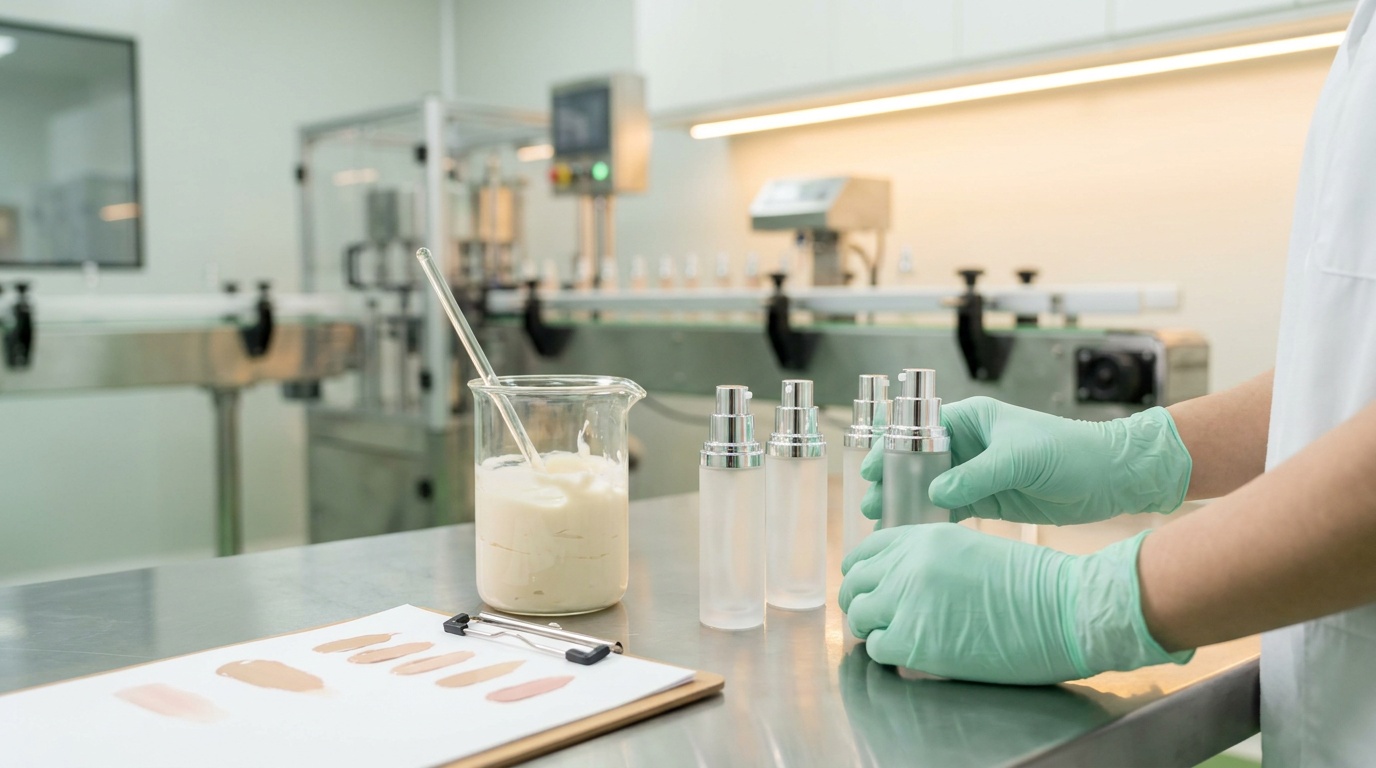
OEM vs ODM — which to choose
- OEM: the factory produces your formula (spec). Maximum differentiation, but 16–28 weeks of development.
- ODM: the factory's proven formula + your branding. To market in ~4 months.
The 5 walls overseas brands hit
- Communication: many Korean factories have no English sales desk, so emails go unanswered.
- MOQ: large factories often start at 5,000–10,000 units.
- Sample lead time: ~3 weeks per round; several rounds means months.
- Regulation: US MoCRA, EU CPNP and other markets each have different requirements.
- IP / formula ownership: handing over a formula before a contract can leave you locked in.
How to get a quote
With just a concept, target markets, MOQ and budget, you can get an instant indicative quote on WishLab. Instead of a silent-factory black box, track sampling, production and QC in one place.
FAQ
Is OEM or ODM faster?
ODM is faster — it uses a proven ready formula and can reach market in about 4 months, while OEM (custom formula) takes 16–28 weeks.
Can I manufacture in Korea in small quantities?
Large factories have high MOQs, but boutique factories can do 500–1,500 units. WishLab matches you to a factory that fits your target volume.
How do I get a quote?
Enter your concept, target markets, target quantity and budget, and you get an instant indicative quote on WishLab.
Want to manufacture this trend?
Verified Korean factory matching, sampling and production — get an instant quote.
Get a free quote on WishLabRelated insights
Cosmetics OEM vs ODM vs OBM: Choosing by What You'll Own
OEM means the brand leads concept and formula while the factory manufactures; ODM means the manufacturer proposes the formula and development; OBM means the brand owns the product, trademark, IP, and distribution. Indie K-beauty brands typically validate with ODM, then move formula IP and exclusivity to the brand as they scale.
Read more →Cosmetics Export Compliance: MoCRA, CPNP & ANVISA in Practice
Treating K-beauty export as 'build first, register later' is risky. The US runs on MoCRA facility and product listing, the EU on CPNP notification with a Responsible Person, and Brazil on ANVISA notification or registration — so ingredients, labeling, and safety data must be aligned from the product-planning stage.
Read more →